The post-order stage is the period between the moment a customer completes their purchase and the moment they are satisfied with the product in their hands—and potentially beyond, through returns or repeat purchases. This stage matters more than ever because modern consumers equate the quality of delivery and communication with the quality of the brand itself. A single shipping delay without notification or a confusing return process can permanently damage a relationship that cost hundreds of dollars to acquire.
This guide provides a deep dive into post-order experience optimization in Magento stores. Whether you are a Magento merchant, a CX (Customer Experience) professional, a developer, or an agency partner, this article will outline the strategic and technical steps necessary to transform a simple transaction into a long-term relationship, ultimately increasing customer lifetime value and brand advocacy.

The post-order experience, often referred to as the post-purchase journey, encompasses every interaction a customer has with a brand after they have committed their funds. In the context of a Magento store, this journey is a series of digital and physical touchpoints that must work in perfect harmony.
The journey typically begins with the "Thank You" or order success page. From there, it moves into transactional communications, such as order confirmation emails, invoice notifications, and shipping updates. Key touchpoints also include the real-time tracking of the package, the physical unboxing experience, and the subsequent "check-in" communications from the brand. If things go wrong, the returns and refunds process (RMA) becomes the final, critical touchpoint.
It is important to distinguish between checkout optimization and post-order optimization. While checkout optimization is focused on removing friction to complete a sale, post-order optimization is focused on building trust and fulfilling the promise made during the sale. One gets you the revenue; the other gets you the customer.
Despite its importance, the post-purchase phase is frequently the most neglected part of the Magento ecosystem. This is largely due to an overfocus on immediate ROI metrics like acquisition cost and conversion rate. Many businesses view an order as a "mission accomplished" event, shifting their focus immediately to the next new lead.
Default Magento configurations also contribute to this neglect. While Magento is a powerful and flexible platform, its out-of-the-box transactional emails and success pages are functional but visually uninspiring and lack marketing intelligence. Many merchants continue to use the standard "Your order #1000001 has been received" templates, which do nothing to excite the customer or reinforce brand identity.
This oversight carries hidden revenue risks. High "Where Is My Order?" (WISMO) support ticket volumes, negative reviews on third-party platforms, and low repeat purchase rates are often symptoms of a poor post-order experience. By failing to optimize this stage, merchants leave money on the table in the form of lost loyalty.

To fix the post-purchase journey, one must first identify where it typically breaks down in the Magento environment. Technical debt and poorly configured server-side processes are often the culprits.
One of the most frequent issues is generic or delayed transactional emails. Magento relies on cron jobs to send emails; if the cron is misconfigured or overloaded with other tasks, customers may wait minutes or even hours for a confirmation, leading to "buyer's remorse" or anxiety. Furthermore, the default templates often lack critical information, such as clear next steps or personalized contact details.
Poor visibility into order status is another major pain point. If a customer has to log into the site and navigate a complex account dashboard just to see if their item has shipped, the friction is too high. Many Magento stores fail to integrate their shipping carriers effectively, leaving the "Track Order" link as a dead end or a generic redirect to a carrier's homepage without the tracking number pre-filled.
Friction in returns and refunds is perhaps the most damaging issue. If a customer cannot find the return policy or has to engage in a long back-and-forth email chain with support to get a return label, they are unlikely to shop with that merchant again. Finally, a complete lack of personalization after purchase—such as sending a "Buy This Now" email for a product the customer just bought—shows a lack of data integration that erodes trust.
Optimization requires a mix of design thinking, psychological reassurance, and technical configuration. Here is how to approach the most vital components.
The success page is the first opportunity to reassure the buyer. Instead of a simple "Thank you for your purchase," use this space to provide immediate value. Include a summary of the order, an estimated delivery date, and clear instructions on what happens next.
You can also use this page for "soft" conversions. This might include an invitation to join a loyalty program, a request for a quick survey about the shopping experience, or educational content related to the product purchased. However, avoid aggressive upselling here; the goal is to maintain the "high" of the purchase, not to make the customer feel like a target for more money immediately.
Transactional emails have open rates significantly higher than marketing emails. They are the most direct way to communicate with your audience. Start by customizing the HTML templates in the Magento Admin to match your brand's voice and visual identity.
Timing is everything. Ensure your system sends the confirmation email within seconds of the transaction. Use a warm, professional tone and include helpful content, such as a "How to prepare for your delivery" section. Consistency is key; the shipping notification should feel like a continuation of the confirmation email, using the same fonts, colors, and helpful attitude.
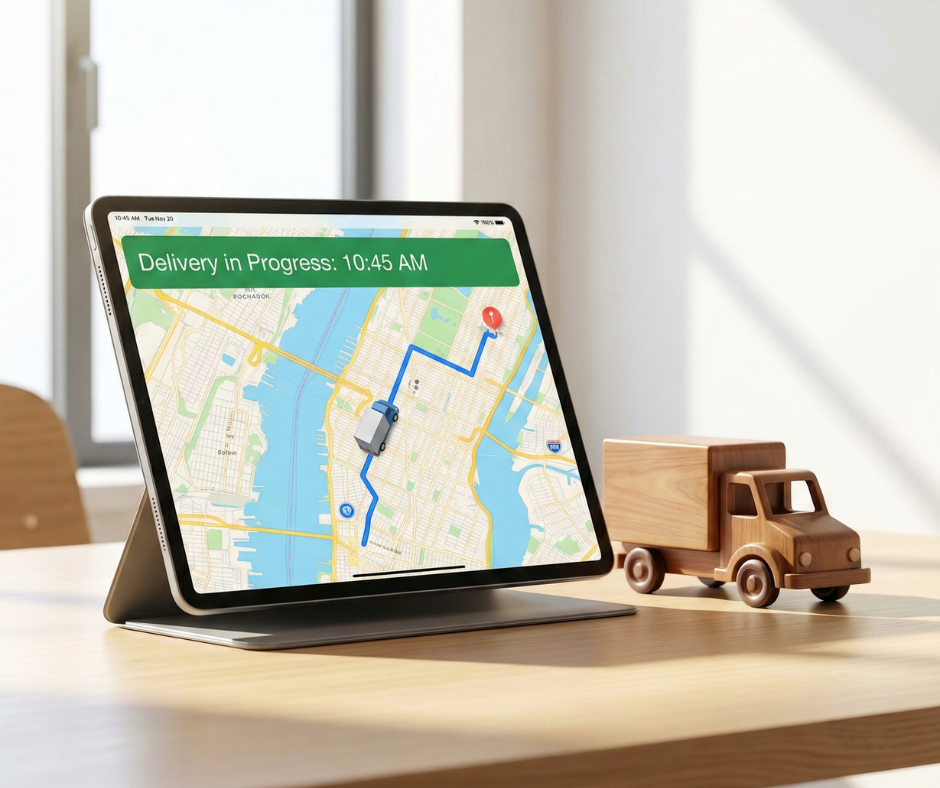
Reducing WISMO requests is a primary goal of post-order experience optimization in Magento stores. Integrate directly with shipping carriers (like UPS, FedEx, or DHL) so that tracking information is embedded directly into the customer's account and email updates.
Proactive notifications are even better. Instead of waiting for the customer to check the status, send an automated update when the package is "Out for Delivery" or "Delivered." This transparency builds immense trust and reduces the burden on your customer service team.
A transparent return policy is a sales tool. In Magento, you should make the RMA (Return Merchandise Authorization) workflow as visible as possible. If you are using Adobe Commerce, leverage the native RMA module to allow customers to request returns directly from their account dashboard.
Ensure the expectations for refunds or exchanges are clearly stated. How long will it take? Who pays for shipping? Providing a self-service return portal where customers can print their own labels can turn a potentially negative experience into a reason for future loyalty.
The customer account dashboard should be a hub of information, not just a list of past orders. Ensure that invoices, tracking numbers, and "Reorder" buttons are easily accessible. A well-designed self-service portal allows the customer to feel in control and reduces their dependency on your support teams for basic questions. In the context of professional procurement, focusing on enhancing reordering experience for B2B customers in Magento is a proven way to drive repeat revenue and administrative efficiency.
Magento offers a variety of paths for optimization. For those on Adobe Commerce, native features like the RMA module and advanced segment-based emails provide a strong head start. However, even on Magento Open Source, the platform's extensibility is its greatest strength.
When considering third-party extensions, look for those that bridge the gap between logistics and communication. Shipping platforms like ShipperHQ or integrated tracking services like AfterShip can provide a "branded tracking" experience that keeps users on your site rather than sending them to a third-party carrier site.
However, be wary of over-engineering. Adding too many extensions to handle the post-purchase flow can lead to "extension bloat," slowing down your site and creating conflicting data. Sometimes, custom development to tweak the native Magento order_success.xml or email_templates is more efficient than installing a heavy, multi-feature module.
Use this checklist to ensure your store is covering all the essentials of post-order experience optimization in Magento stores:
In the modern eCommerce landscape, the sale is not the end of the journey; it is the beginning of the relationship. Post-order experience optimization in Magento stores is no longer a "nice-to-have" feature—it is a competitive necessity. By focusing on the emotional and functional needs of the customer after they have clicked "buy," you can significantly reduce support costs, increase trust, and drive long-term loyalty.
While Magento provides a solid foundation, the difference between a mediocre experience and an exceptional one is in the details: the friendliness of confirmation emails, the transparency of tracking updates, and the ease of returns. Prioritize long-term retention over short-term conversions, and you'll find that the most profitable customers are those who return because of how you treat them after the transaction is completed. Ultimately, post-order optimization turns one-time transactions into long-term relationships.
.png)

